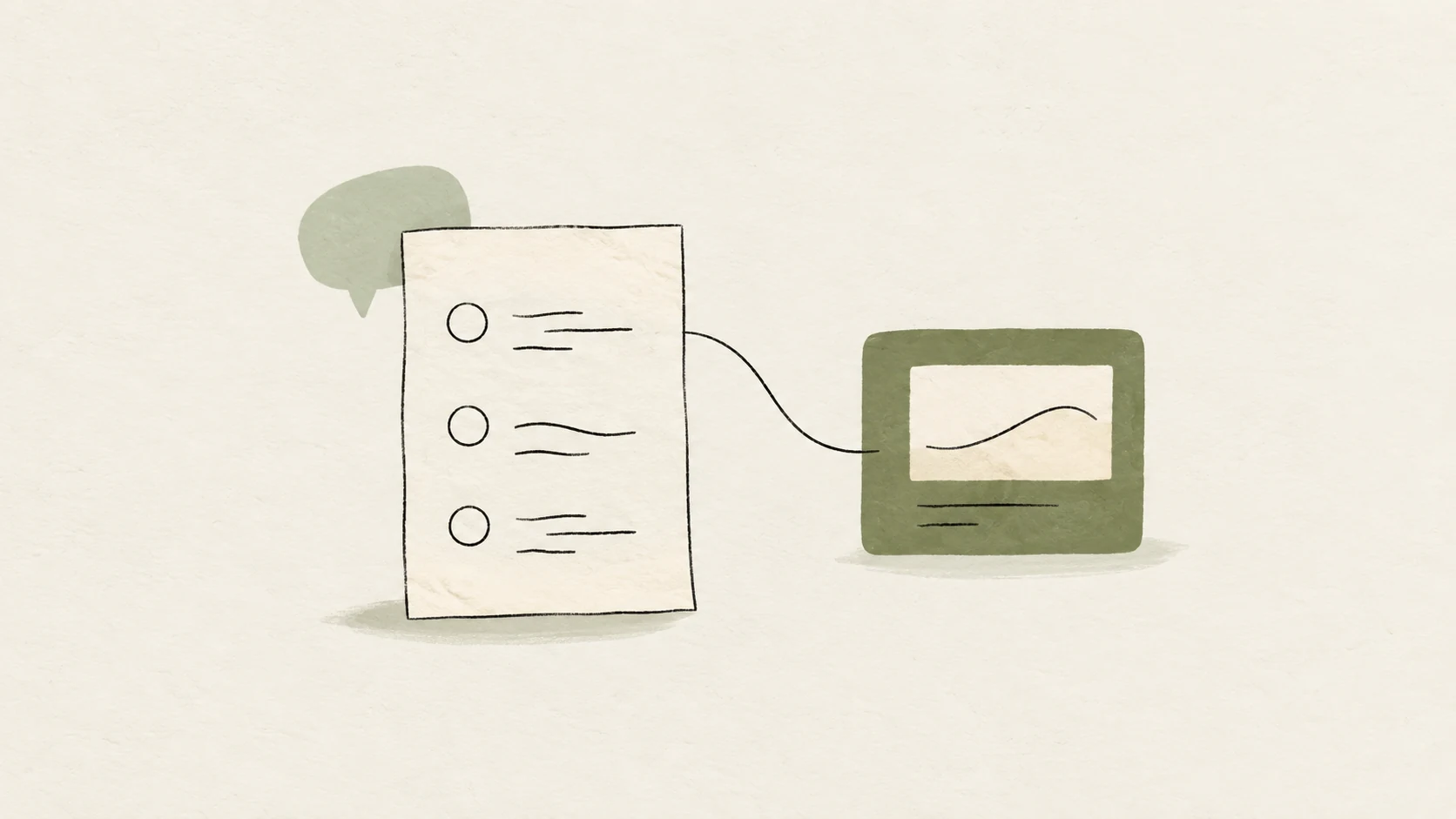
Better questions before a better proposal
A checklist for a brief that gathers useful context without becoming an endless interview.
Read article
A follow-up example that connects the proposal, your client's questions and a specific next step.
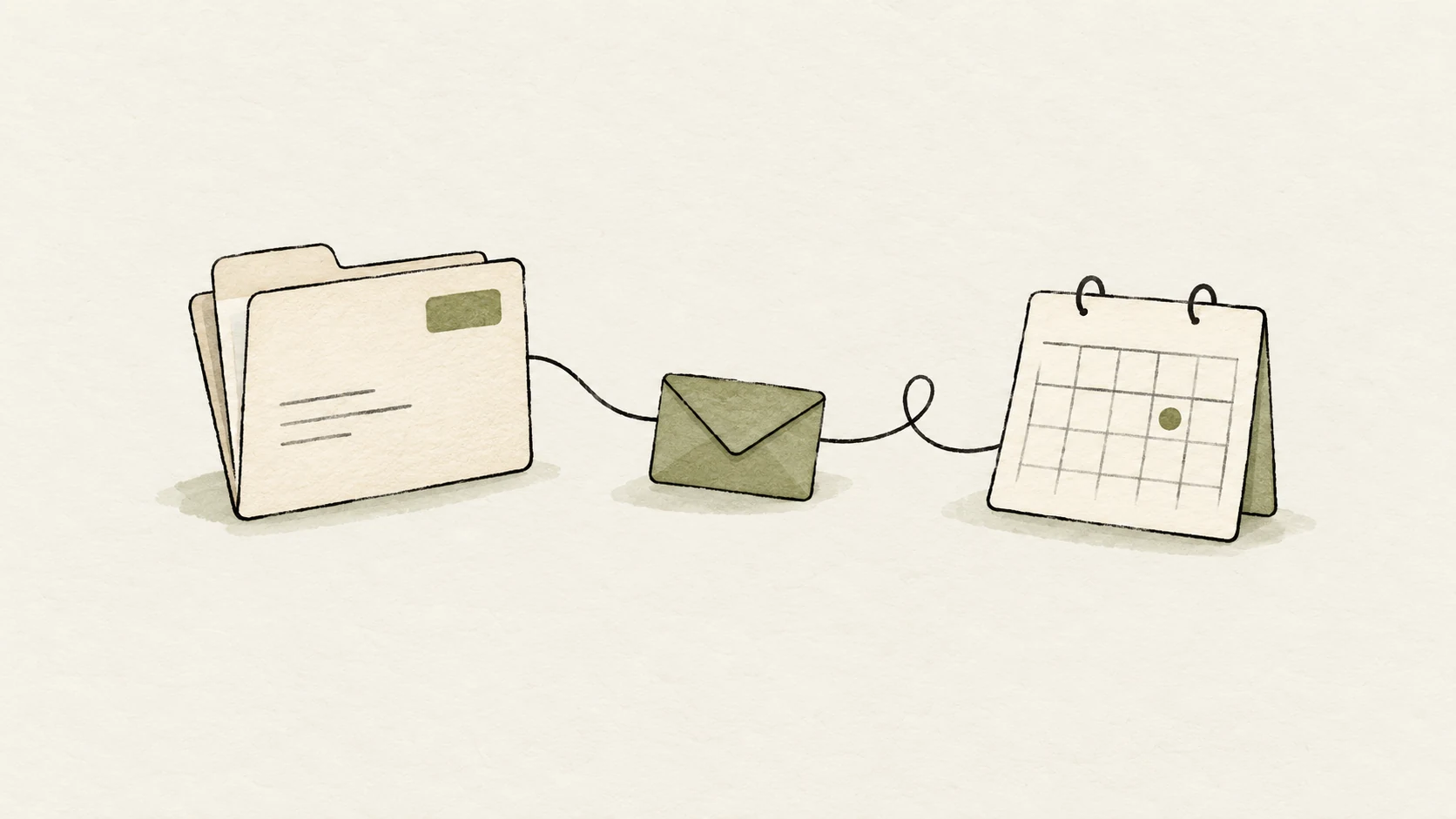
Sending a proposal does not end the conversation. It may raise questions about scope, pricing, timing or the client's internal decision. Useful follow-up starts with that context and makes a specific response easier.
A next step needs a reason. Before creating a reminder, record what the client needs to resolve. “Follow up” says little. “Confirm whether they need an English version so we can adjust the scope” gives you a way to continue.
Keep the shared proposal, brief answers and opportunity notes together. You should not have to reconstruct the project's context from several documents every time you return to it.
This fictional message is an example you can adapt:
Hi Marta. We included two options in the proposal based on the website languages. Have you been able to confirm whether the first release also needs English? That will help us finalise the scope and review the work plan.
The question explains what is missing and why an answer matters. Avoid combining several requests that belong to different decisions in the same message.
A visit to a link does not prove that a particular person read or approved the proposal. It may be an activity signal, but it cannot replace a response. Record what you know and leave unconfirmed information open.
Likewise, a question is not an acceptance. If the client requests a change, identify the version they are referring to and review the scope before sharing an updated proposal.
The client record should help you continue where the conversation stopped. Keep internal notes separate from the public proposal, and avoid asking for information the client has already supplied.
Make your next proposal a little clearer.
Explore the productA checklist for a brief that gathers useful context without becoming an endless interview.
Read article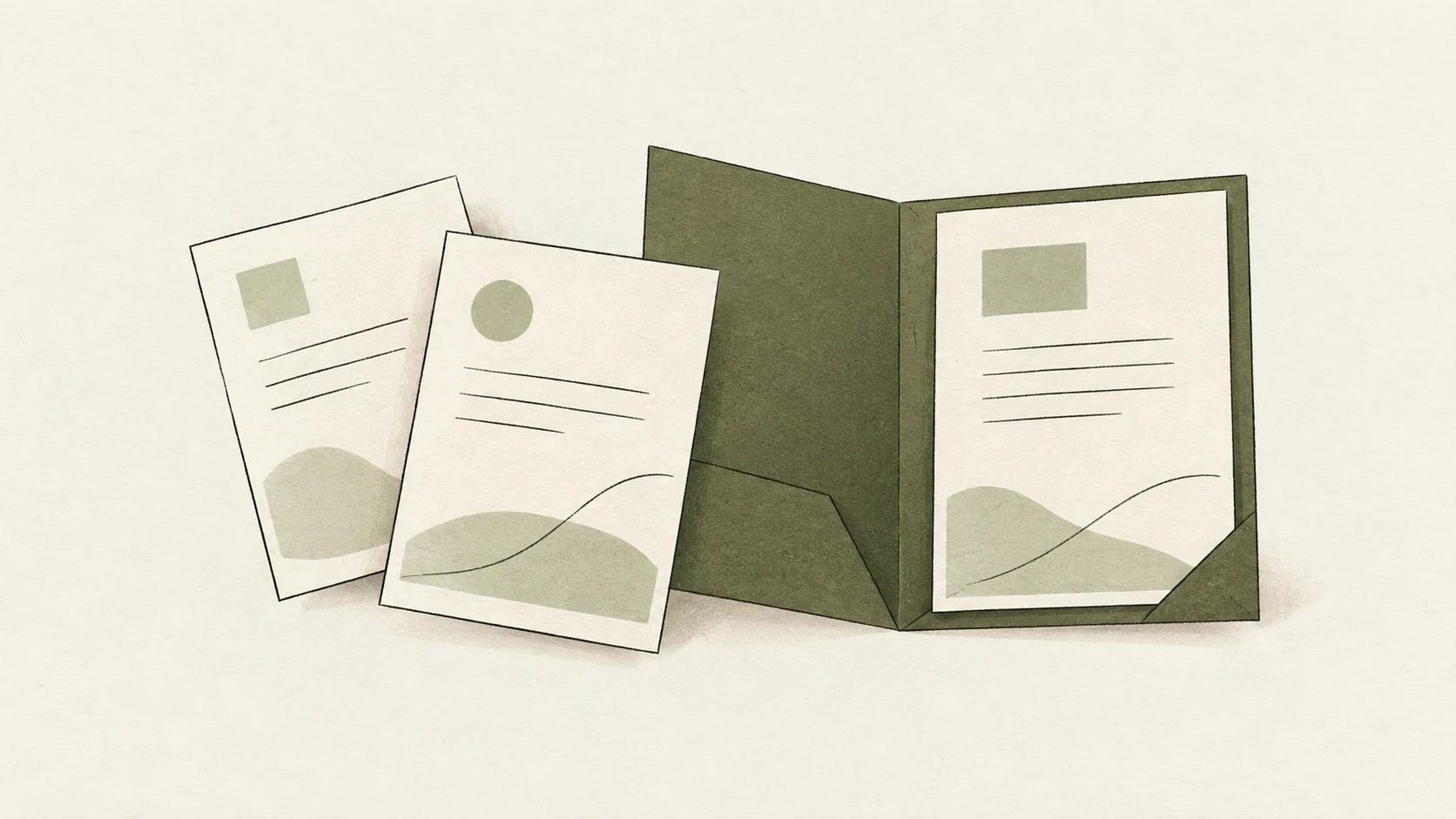
How to connect context, scope, services and a work plan so your client understands the decision in front of them.
Read article
Give your work the presentation it deserves.
Create my proposal